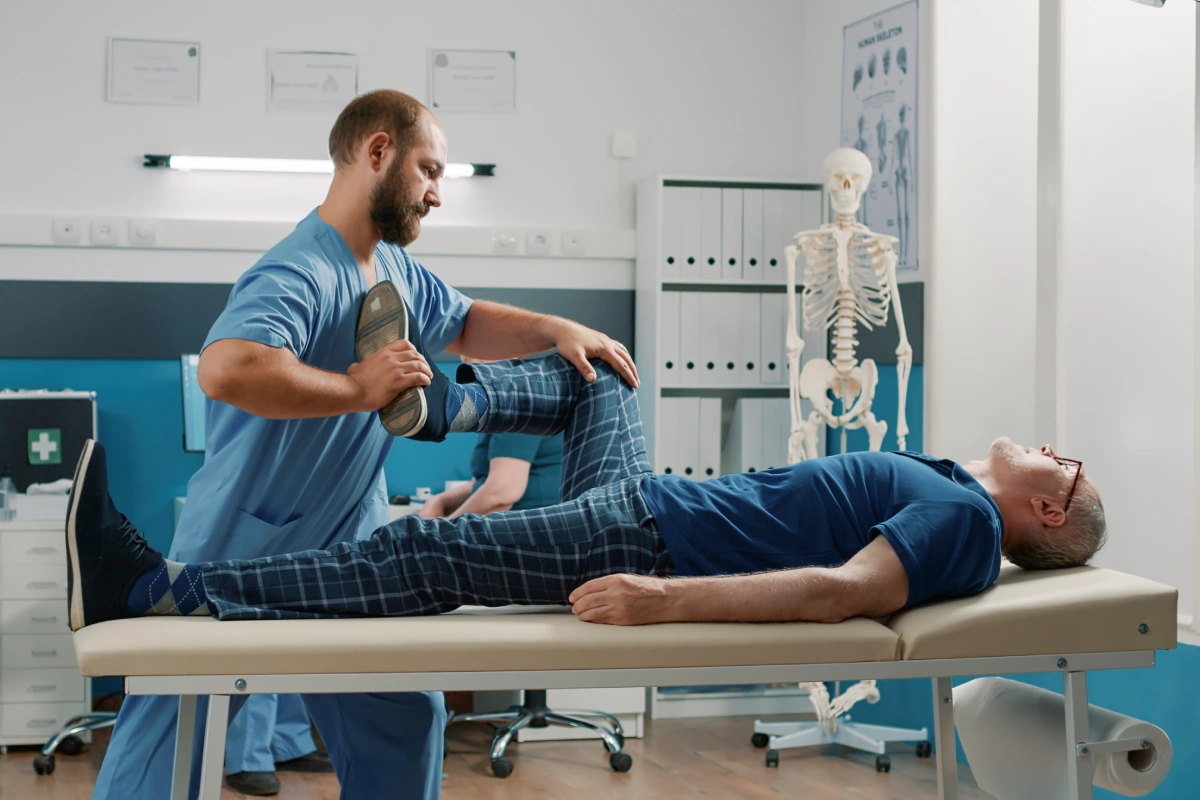
The terms physical therapy and physiotherapy are often used interchangeably, but are there any real differences between the two? While both focus on rehabilitation, pain relief, and improving movement, subtle distinctions exist based on regional terminology and treatment approaches.
Terminology and Regional Use
The primary difference lies in terminology. In the United States, the profession is commonly referred to as physical therapy, while physiotherapy is the preferred term in countries like Canada, the UK, and Australia. Despite the different names, both fields involve licensed professionals trained to help patients recover from injuries, surgeries, and chronic conditions.
Treatment Approaches
Physical therapy in the U.S. often emphasizes exercise-based rehabilitation. Therapists focus on strengthening muscles, improving flexibility, and restoring function through structured movement programs. The goal is to help patients regain independence and prevent future injuries.
Physiotherapy, particularly in European and Australian settings, may incorporate a more hands-on approach. Techniques like manual therapy, massage, joint manipulation, and electrotherapy are commonly used alongside exercise programs. Some practitioners may also integrate alternative treatments like acupuncture or dry needling.
Scope of Practice
Both physical therapists and physiotherapists work in various settings, including hospitals, clinics, sports facilities, and rehabilitation centers. They treat conditions ranging from sports injuries and post-surgical recovery to neurological disorders like stroke and Parkinson’s disease.
Conclusion
Ultimately, physical therapy and physiotherapy share the same core principles and goals. The choice of terminology depends on location, and differences in treatment approaches are often minor. Regardless of the name, both professions play a vital role in restoring mobility, reducing pain, and improving quality of life.