Key Skills Every Web Designer Should Learn
Web design is more than creating visually appealing pages; it requires a blend of creativity, technical expertise, and user-centered thinking. Whether you are starting your journey or refining your skills, learning these key areas will make you a stronger, more versatile designer.
1. Mastering Visual Design Principles
Understanding visual hierarchy, typography, color theory, and spacing is essential. These principles guide users’ attention and improve readability, ensuring that your designs are both beautiful and functional. Experiment with different layouts while maintaining consistency to strengthen your design eye.
2. Responsive Design and Mobile Optimization
A significant portion of web traffic comes from mobile devices. Learning how to design responsive layouts using CSS Grid, Flexbox, and testing across different devices will help you create seamless user experiences. This skill also includes understanding breakpoints and prioritizing content for smaller screens.
3. Basic HTML and CSS
While you don’t need to be a full-stack developer, understanding HTML and CSS helps you communicate effectively with developers and troubleshoot minor issues independently. It also allows you to build prototypes and see how your designs translate in a browser environment.
4. User Experience (UX) Awareness
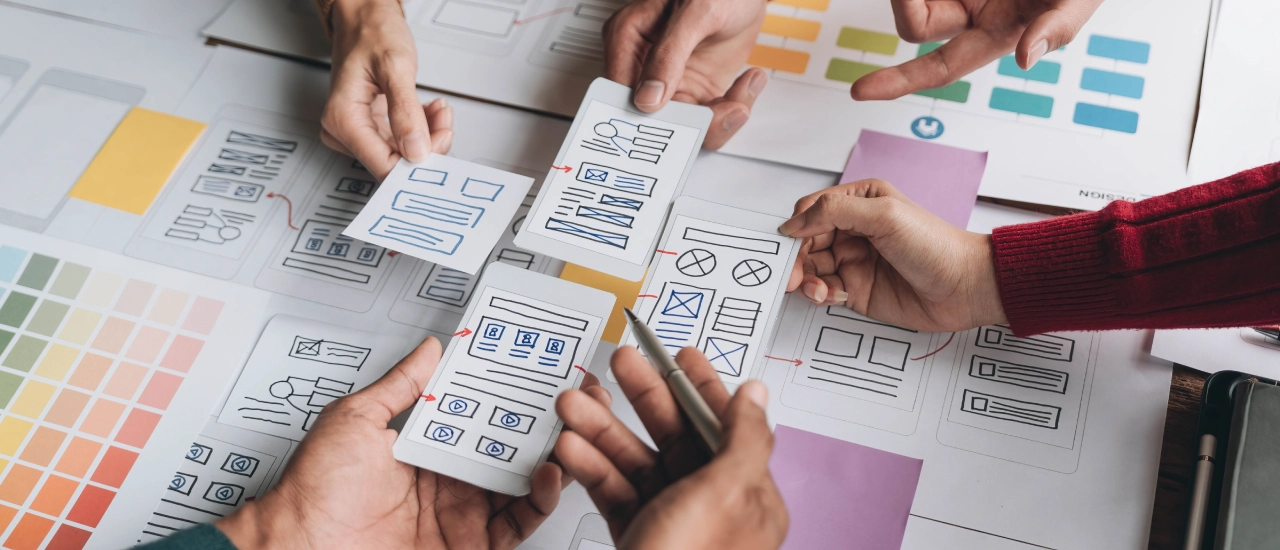
Focus on user-centered design by researching how users interact with websites, creating wireframes, and testing your designs for usability. Learning to think from the user’s perspective will allow you to create websites that not only look good but also perform well.
5. Keeping Up with Design Trends
Web design evolves quickly. Following design communities, studying trending color schemes, and experimenting with animations or micro-interactions will help you stay relevant and inspired.