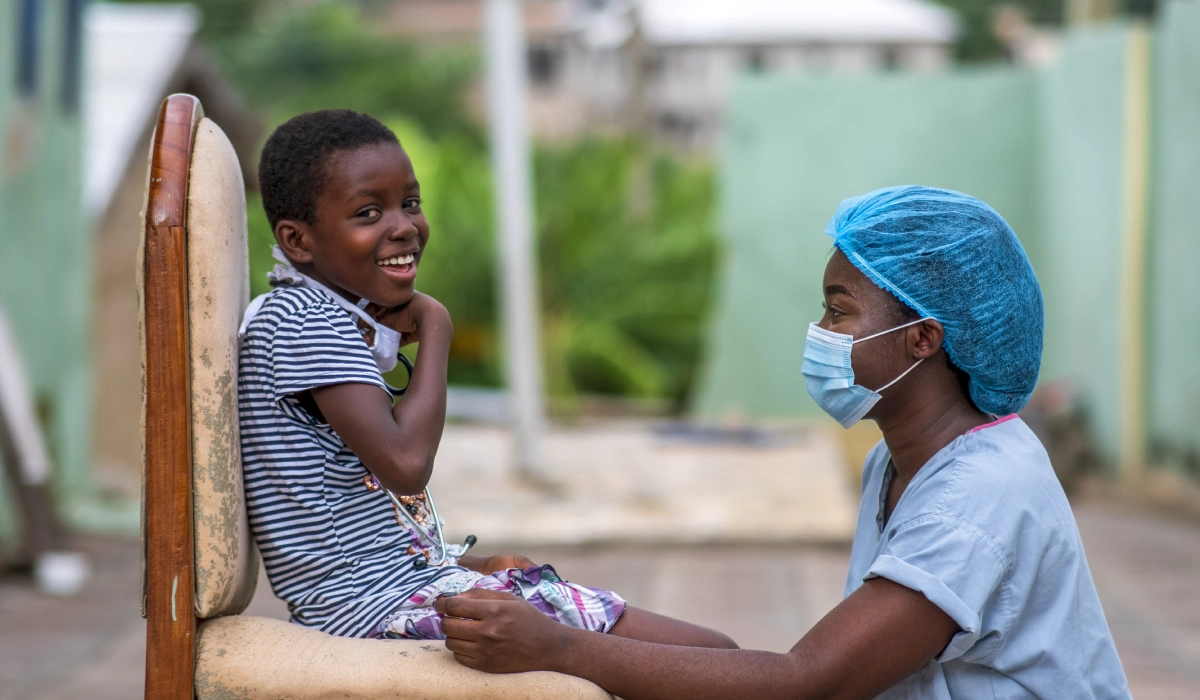
Access to quality healthcare has long been a challenge for rural communities, where distance, limited medical facilities, and shortages of healthcare professionals often prevent people from receiving timely treatment. Community clinics are changing this reality by providing essential medical services close to home. These clinics offer preventive care, routine checkups, vaccinations, maternal health services, chronic disease management, and health education, making healthcare more accessible for individuals and families. By reducing travel time and medical costs, community clinics encourage people to seek treatment earlier, leading to better health outcomes and improved quality of life.
Bringing Quality Care Closer to Home
Community clinics serve as trusted healthcare hubs that connect rural residents with skilled medical professionals and essential resources. Many clinics now use telehealth technology, allowing patients to consult specialists without leaving their communities. This approach is especially valuable for managing chronic conditions such as diabetes, hypertension, and heart disease, where consistent monitoring is critical. In addition to treating illnesses, community clinics promote preventive healthcare through screenings, wellness programs, nutrition counseling, and educational workshops. Their focus on early intervention helps reduce hospital admissions and lowers the overall burden on healthcare systems. By building strong relationships with local residents, these clinics also increase health awareness and encourage healthier lifestyles across entire communities.
The continued growth of community clinics is transforming rural healthcare by creating a more inclusive and patient-centered system. They improve access to medical services, support disease prevention, and strengthen community well-being through compassionate, affordable care. As governments and healthcare organizations invest in expanding rural health infrastructure, community clinics will play an even greater role in reducing healthcare disparities. Their commitment to serving underserved populations ensures that people living in rural areas have the opportunity to receive reliable, high-quality healthcare regardless of where they live.