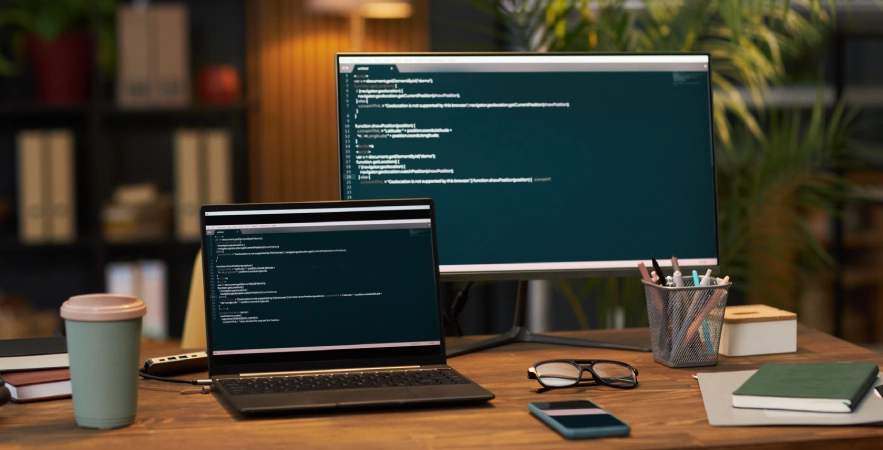
Best HTML & CSS Tips for Beginners
Learning HTML and CSS is your first step toward becoming a web developer. While they may seem overwhelming at first, applying some practical tips will help you build cleaner, responsive, and effective websites.
Focus on Structure Before Styling
Many beginners jump directly into styling their websites without understanding the proper HTML structure. Start by learning the semantic elements such asto improve your website’s readability and SEO. A well-structured HTML document ensures better accessibility and easier maintenance in the future.
Use a CSS Reset
Different browsers apply default styles that may cause inconsistencies in your designs. Using a CSS reset (or Normalize.css) helps you create a consistent base across all browsers, making your designs look uniform.
Learn Flexbox and Grid Early
Flexbox and CSS Grid are essential for creating responsive layouts efficiently. While floats and inline-block are older methods, Flexbox and Grid simplify creating column layouts, centering elements, and building complex structures with less code. Practice small layout exercises using these to strengthen your understanding.
Keep Your Code Organized
Use clear class and ID names for your elements, and keep your CSS organized with comments and sections. This will help you debug issues easily and understand your own code when returning to projects later.
Practice by Building Small Projects
Applying what you learn through building simple projects like a personal portfolio, a landing page, or a product card will enhance your learning process. Each project helps you experiment with HTML structure, CSS positioning, and responsive design while building your confidence.
Conclusion
Learning HTML and CSS takes time and practice, but focusing on structure, using modern layout systems, and building small projects will help you become comfortable and efficient. Start small, stay consistent, and watch your skills grow.