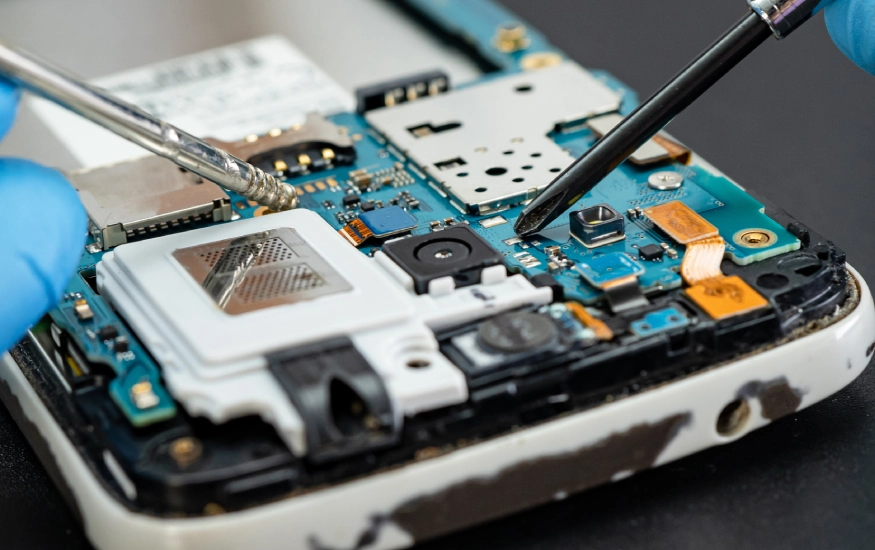
When something breaks — whether it’s a household appliance, a car part, or a smartphone — the first question we ask is: Should I fix it or replace it? While both options come with their pros and cons, making the smart choice depends on a few key factors: cost, age, efficiency, and long-term value.
Cost and Age Matter
Repairing is often cheaper upfront. If the issue is minor or the product is fairly new, a fix can extend its life without a big hit to your wallet. However, if repair costs approach or exceed 50% of the replacement price, investing in a new one might be wiser. This is especially true for older products that may break again soon.
Efficiency and Reliability
Newer models of appliances, electronics, or vehicles often come with better energy efficiency, updated features, and longer warranties. Replacing outdated equipment can lead to cost savings over time, especially in energy bills or recurring repairs. If reliability and performance are becoming a concern, upgrading may be the smarter choice.
Emotional and Environmental Impact
Some items carry sentimental value, making repair worth it beyond the financial aspect. On the other hand, constantly replacing things contributes to e-waste and environmental harm. Choosing repair when possible supports sustainability.
The Bottom Line
Fixing is smart for small issues, newer items, or when sustainability is a priority. Replacing makes more sense when repairs are costly, parts are hard to find, or the item is outdated. Always compare the total costs, benefits, and long-term value before deciding. In the end, the smartest choice balances practicality, budget, and future peace of mind.