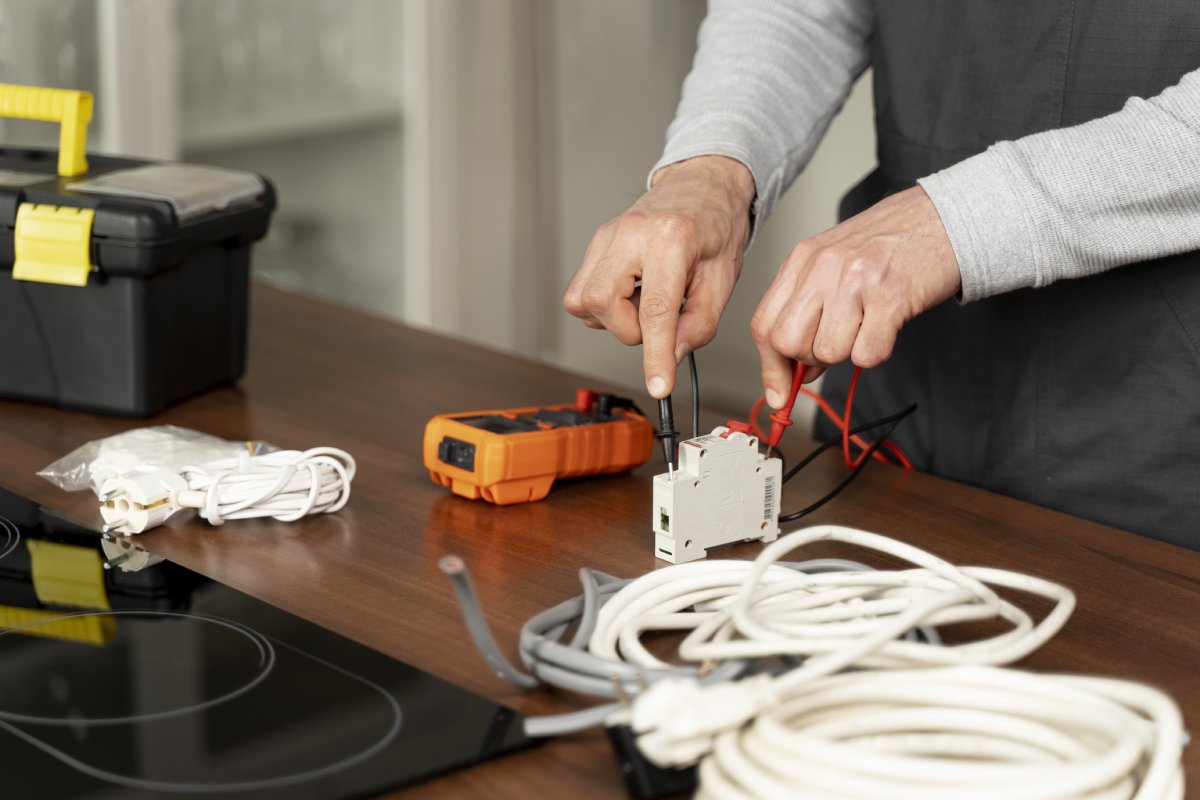
When you need electrical work done in your home or business, choosing the right electrician is crucial. Electrical issues can be dangerous if not handled correctly, and selecting a qualified professional ensures that the job is done safely and efficiently. Whether it’s a minor repair, a major installation, or ongoing electrical maintenance, the right electrician can save you time, money, and stress. In this comprehensive guide, we’ll walk you through the steps to help you choose the best electrician for your specific needs.
1. Understand Your Electrical Needs
Before you start looking for an electrician, it’s essential to understand the type of electrical work you need. Electrical services can range from simple tasks like changing a light fixture or installing an outlet to more complex jobs like rewiring your entire home or business, upgrading your electrical panel, or installing energy-efficient systems. Some electricians specialize in residential work, while others focus on commercial or industrial projects.
Knowing exactly what kind of work you need will help you narrow down your search. Here are some common types of electrical work:
- General electrical repairs: Replacing faulty outlets, fixing light switches, repairing or replacing wiring, and other small repairs.
- Electrical installations: Installing new electrical systems, outlets, lighting, or appliances.
- Upgrades and renovations: Upgrading electrical panels, wiring, or systems for newer technology or better energy efficiency.
- Emergency services: Handling urgent electrical issues, such as power outages, electrical fires, or electrical shorts.
- Energy-saving solutions: Installing energy-efficient lighting, smart home systems, or solar panels.
Knowing what you need helps you find an electrician with the right skills and experience to handle your specific project.
2. Check for Proper Licensing and Insurance
One of the most critical factors when choosing an electrician is verifying that they are properly licensed and insured. Electrical work can be dangerous, and hiring an unqualified or underinsured electrician can expose you to significant risks, including faulty installations, poor workmanship, and potential legal liability.
Licensing: A licensed electrician has undergone the necessary training, certification, and testing to ensure they meet the required standards for electrical work. Depending on your location, electricians must be licensed at the local, state, or national level. You can ask to see the electrician’s license and check its validity with the local or state regulatory body.
Insurance: Insurance protects both the electrician and you in case of an accident, damage, or injury during the job. A reputable electrician should carry general liability insurance and worker’s compensation insurance. This ensures that if something goes wrong, you won’t be held responsible for the costs.
3. Look for Experience and Specialization
Experience matters when it comes to electrical work. An experienced electrician has a better understanding of the challenges that can arise during an electrical project, and they can solve problems efficiently and effectively. The longer an electrician has been in business, the more likely they are to have the skills and knowledge needed to handle various types of work.
You should also consider whether the electrician has experience with the specific type of project you need. For example, if you are looking for someone to install energy-efficient systems in your business, you would want an electrician with experience in commercial electrical systems and energy-saving technologies. If you’re renovating your home, choose an electrician who has experience with residential wiring, home automation, or smart home systems.
4. Read Reviews and Ask for References
Word-of-mouth recommendations and online reviews can provide valuable insight into an electrician’s reputation, work quality, and professionalism. You can check online reviews on platforms like Google, Yelp, or Angie’s List, or ask the electrician for references from previous clients. A good electrician should have positive reviews and satisfied clients who are willing to vouch for their work.
Here are some things to look for in reviews and references:
- Work quality: Are customers satisfied with the work performed? Was the job completed on time and to a high standard?
- Professionalism: Was the electrician courteous, respectful, and easy to work with?
- Communication: Did the electrician explain the work clearly and keep you informed throughout the process?
- Pricing: Were the charges reasonable, and were there any unexpected fees?
If an electrician has numerous positive reviews and references, it’s a good indicator of their reliability and professionalism.
5. Get Multiple Quotes
Before hiring an electrician, it’s a good idea to obtain multiple quotes for the job. This gives you a better understanding of the going rate for the work you need and helps you avoid being overcharged. When requesting a quote, make sure the electrician provides a detailed breakdown of the costs, including labor, materials, and any potential extra charges.
While price is important, it shouldn’t be the only factor you consider. A very low quote may indicate that the electrician is cutting corners or using subpar materials. On the other hand, a high quote doesn’t always mean better quality. Look for a quote that offers a fair price based on the scope of the work and the electrician’s expertise.
6. Evaluate Communication and Customer Service
The way an electrician communicates with you is crucial. From the first contact to the completion of the job, the electrician should be clear, transparent, and responsive. Good communication ensures that you understand the scope of work, the timeline, and the cost, and that your questions and concerns are addressed promptly.
Here are some things to evaluate in the electrician’s communication:
- Responsiveness: Did the electrician respond to your inquiry quickly and professionally?
- Clarity: Did the electrician clearly explain the work that needs to be done and why?
- Availability: Is the electrician available to discuss the project or answer questions when needed?
- Customer service: Did the electrician treat you with respect and courtesy?
If an electrician provides excellent communication and customer service, you’re more likely to have a positive experience throughout the project.
7. Ensure Warranty and Guarantees
A trustworthy electrician should stand behind their work and offer warranties or guarantees for their services. This shows confidence in the quality of their work and provides you with peace of mind knowing that any issues that arise after the job is completed will be addressed at no extra cost.
Ask the electrician if they offer warranties or guarantees on the services provided. For example, they may offer a one-year warranty on electrical installations or repairs. Be sure to get this in writing so you have documentation in case any issues arise later.
8. Consider Availability and Timing
When selecting an electrician, consider their availability and how quickly they can start the job. Some electrical issues, such as power outages, circuit overloads, or wiring problems, can be urgent and need immediate attention. Make sure the electrician you hire can meet your timeline and respond to emergency situations if necessary.
If your project is not an emergency, discuss the timeline upfront and ensure the electrician can commit to the deadlines you need. They should be able to give you a clear estimate of how long the work will take, based on their schedule and the complexity of the job.
9. Trust Your Instincts
Finally, trust your instincts when choosing an electrician. If you feel comfortable with their professionalism, communication, and expertise, it’s likely that they’re a good fit for the job. On the other hand, if something feels off or if you have doubts about the electrician’s qualifications, it’s okay to continue your search.
Choosing the right electrician is essential for ensuring the safety, reliability, and efficiency of your home or business’s electrical systems. By following these guidelines and doing your due diligence, you can find a qualified, trustworthy electrician who will provide high-quality service for your electrical needs.
Conclusion
Selecting the right electrician is an important decision that can impact the safety and functionality of your home or business. Take the time to understand your electrical needs, check for proper licensing and insurance, read reviews, and evaluate the electrician’s experience and customer service. By doing so, you’ll be well on your way to finding a qualified professional who can get the job done right and provide peace of mind.
4o mini