Choosing the Right Freight Mode for Your Business
Selecting the right freight mode is crucial for controlling costs, ensuring timely delivery, and maintaining customer satisfaction. With multiple shipping options available, understanding each mode’s strengths will help your business thrive in a competitive market.
Understand Your Cargo and Timeline
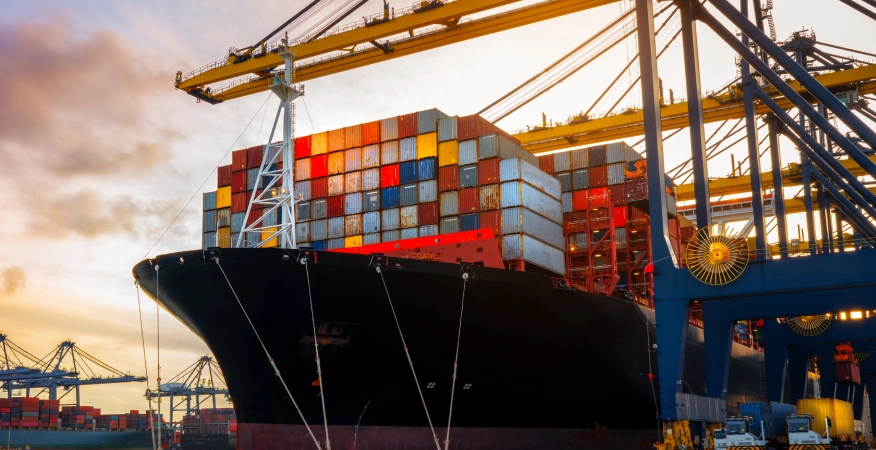
Before choosing a freight mode, evaluate your cargo’s size, weight, fragility, and delivery urgency. For example, if you’re shipping high-value electronics with a tight delivery schedule, air freight might be the best choice despite higher costs. For large, non-perishable goods, ocean freight provides a more cost-effective option for international shipping, even though transit times are longer.
Comparing Freight Modes
Consider Costs and Reliability
Calculate not only shipping costs but also potential hidden costs such as warehousing, customs clearance, and last-mile delivery. Evaluate reliability, as delays in transit can impact customer satisfaction and operational flow. Using a mix of freight modes can sometimes optimize both cost and speed.
Seek Expert Guidance
Partnering with a reputable freight forwarder or logistics company helps you navigate carrier networks, customs regulations, and optimize your shipping strategy. Their expertise can streamline your supply chain, allowing your business to focus on growth while ensuring goods arrive safely and on time.
By carefully aligning your freight mode with your business needs, you can improve efficiency, reduce costs, and build a resilient logistics strategy that supports your customers and your bottom line.