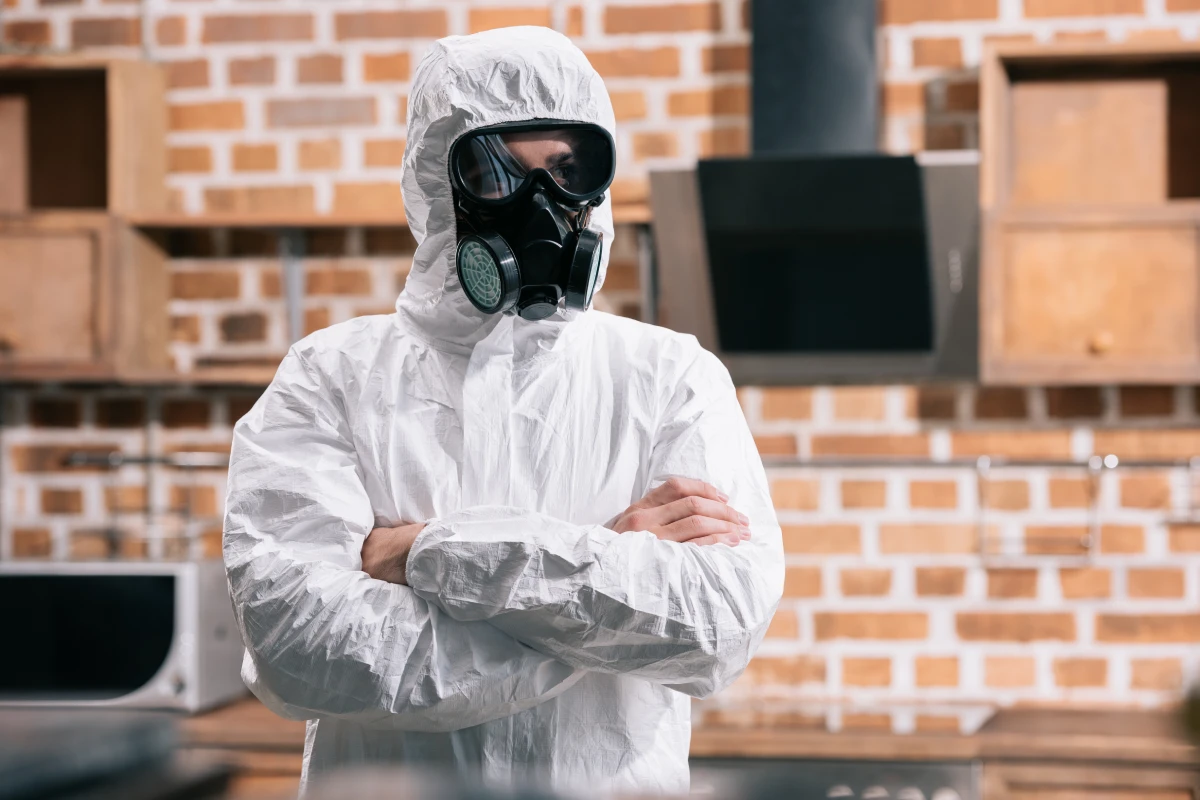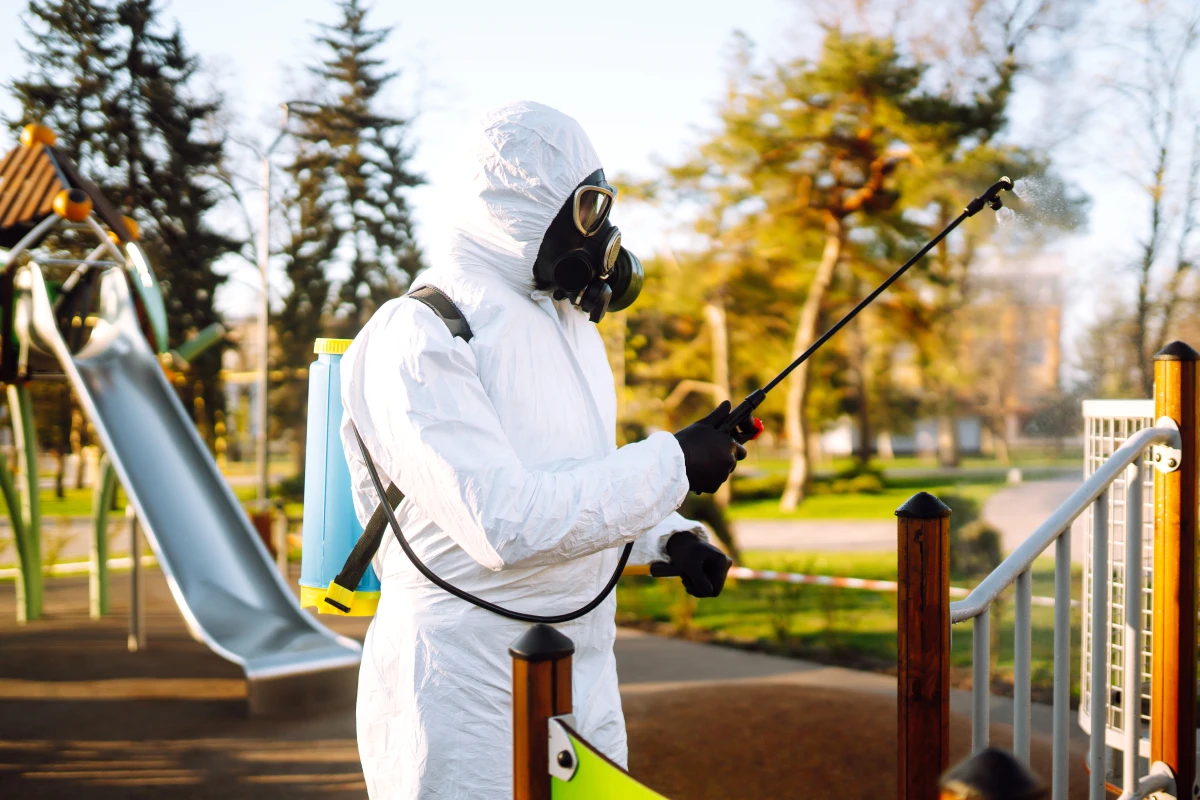
Pest control has always been a vital part of maintaining healthy homes, businesses, and communities. However, traditional methods often rely heavily on chemical pesticides that can harm the environment, pose health risks to humans and pets, and even lead to pesticide resistance in pests. In recent years, there’s been a noticeable shift toward eco-friendly pest control—a safer, sustainable, and more effective alternative. Let’s dive into why eco-friendly pest control is shaping the future of pest management and why it matters more than ever.
1. Growing Environmental Awareness
The modern consumer is more environmentally conscious than ever before. With rising concerns about climate change, pollution, and biodiversity loss, people are actively seeking green solutions in all aspects of life—including pest control. Eco-friendly pest control uses natural and low-toxicity methods that reduce environmental damage, protecting ecosystems and wildlife.
2. Health and Safety Benefits
Traditional pesticides can leave harmful residues on surfaces, contaminate food, and release toxins into the air. These chemicals may cause respiratory issues, skin irritation, and long-term health risks. In contrast, eco-friendly pest control emphasizes non-toxic solutions such as essential oils, biological treatments, and natural deterrents that safeguard human health, making homes and workplaces safer for families, pets, and employees.
3. Sustainable Long-Term Results
Chemical-based pest control often provides short-term relief but fails to address the root causes of infestations. Eco-friendly methods focus on prevention and sustainable management. This includes identifying entry points, improving sanitation, and using integrated pest management (IPM) strategies to control pests naturally. As a result, eco-friendly approaches deliver more reliable long-term outcomes without the constant need for harsh chemical applications.
4. Avoiding Pesticide Resistance
Over time, pests can develop resistance to chemical pesticides, rendering them less effective. This creates a cycle where stronger, more toxic chemicals are needed, which further harms the environment and public health. Eco-friendly pest control relies on diversified methods, such as biological controls (introducing natural predators), habitat modification, and organic repellents, making it harder for pests to build resistance.
5. Consumer Demand and Regulations
Governments and regulatory bodies are tightening restrictions on harmful pesticides due to their environmental and health risks. At the same time, consumers are increasingly demanding green and sustainable services. Pest control companies that adopt eco-friendly practices are not only staying compliant but also gaining a competitive edge by meeting market demand.
6. Cost-Effectiveness Over Time
While eco-friendly pest control may seem more expensive upfront, it often proves cost-effective in the long run. Preventive measures, reduced need for repeat treatments, and minimized health risks all contribute to long-term savings. Businesses, in particular, benefit from sustainable solutions that protect their reputation and reduce potential liabilities related to chemical use.
7. Protecting Biodiversity
Traditional pest control methods can kill beneficial insects such as bees, butterflies, and ladybugs—species crucial to pollination and ecosystem balance. Eco-friendly solutions are designed to target specific pests without harming beneficial organisms. This not only helps control unwanted pests but also supports biodiversity, which is vital for agriculture and natural ecosystems.
8. Advancements in Green Technology
Technological innovation is accelerating the effectiveness of eco-friendly pest control. From smart monitoring systems to biological pest control agents and eco-safe repellents, the industry is rapidly evolving. These advancements make it easier than ever to implement sustainable solutions without sacrificing effectiveness.
9. Corporate Responsibility and Branding
For businesses, adopting eco-friendly pest control aligns with corporate social responsibility (CSR) goals and strengthens brand reputation. Customers and clients increasingly prefer companies that demonstrate environmental stewardship. Green pest control services allow businesses to showcase their commitment to sustainability while maintaining a clean and safe environment.
10. The Future is Green
The global shift toward sustainability is inevitable, and pest control is no exception. Eco-friendly methods not only provide safer, healthier environments but also align with worldwide efforts to protect the planet. As awareness grows and technology advances, eco-friendly pest control will become the standard, not the alternative.
Final Thoughts
Eco-friendly pest control is more than just a trend—it’s a necessity for building a safer, healthier, and more sustainable future. By choosing environmentally responsible pest management practices, homeowners, businesses, and communities can protect both themselves and the planet. The message is clear: the future of pest control is green, and the time to embrace it is now.