Pests are one of the most common challenges homeowners face, and if left unchecked, they can cause significant damage to your property and even threaten your family’s health. From ants in the kitchen to termites in the foundation, learning how to identify, prevent, and control pests is essential for maintaining a safe, clean, and comfortable home. This ultimate guide to pest control will walk you through everything you need to know—from prevention tips to professional solutions.
1. Why Pest Control Matters
Pest control isn’t just about convenience; it’s about protecting your home, health, and finances. Common pests like termites can cause thousands of dollars in structural damage, while rodents and cockroaches spread diseases that put your family at risk. Effective pest control helps you:
- Prevent property damage
- Protect your health from diseases and allergens
- Maintain peace of mind in your home environment
- Save money by avoiding costly repairs
2. Common Household Pests and Their Risks
Understanding what you’re up against is the first step in pest control. Here are some of the most common household pests:
- Ants – Often enter homes searching for food; some species, like carpenter ants, damage wood.
- Cockroaches – Known carriers of bacteria and allergens that can trigger asthma.
- Rodents (rats & mice) – Chew through wires, insulation, and food storage while spreading diseases.
- Termites – Silent destroyers that feed on wood and can compromise your home’s structure.
- Mosquitoes – Can transmit dangerous diseases like West Nile Virus and Dengue.
- Spiders – While most are harmless, some species can deliver painful bites.
- Bed Bugs – Infest mattresses and furniture, causing sleepless nights and skin irritation.
3. Signs of a Pest Infestation
Early detection is critical. Keep an eye out for these warning signs:
- Droppings or shed skins from insects and rodents
- Gnaw marks on furniture, wires, or food packaging
- Hollow-sounding wood (a sign of termites)
- Nesting material like shredded paper or fabric
- Unusual odors, such as musty or oily smells
- Bite marks on your skin (from bed bugs or mosquitoes)
4. Preventive Pest Control Tips
The best pest control strategy is prevention. Here are key steps homeowners can take:
- Seal entry points – Repair cracks, gaps, and broken screens around doors and windows.
- Keep food sealed – Store dry goods in airtight containers and clean up spills promptly.
- Maintain cleanliness – Regularly vacuum, mop, and wipe down surfaces.
- Fix leaks – Pests like cockroaches and rodents are drawn to water sources.
- Declutter – Piles of boxes, newspapers, and clutter provide hiding spots.
- Maintain your yard – Trim shrubs, keep grass short, and remove standing water to reduce breeding grounds.
5. Natural and DIY Pest Control Methods
If you prefer eco-friendly solutions, try these natural remedies:
- Diatomaceous Earth – Effective against ants, cockroaches, and bed bugs.
- Vinegar Spray – Repels ants and fruit flies.
- Essential Oils – Peppermint, lavender, and tea tree oils deter spiders and mosquitoes.
- Homemade Traps – Sugar-water traps for fruit flies or sticky traps for cockroaches.
DIY methods can be effective for small infestations, but they may not be enough for larger problems.
6. When to Call a Professional Exterminator
Sometimes DIY solutions aren’t enough. Call a licensed pest control professional if:
- The infestation is recurring or widespread.
- You find structural damage caused by termites or carpenter ants.
- Rodents are entering despite preventive measures.
- You’re dealing with pests that pose serious health risks (like bed bugs or venomous spiders).
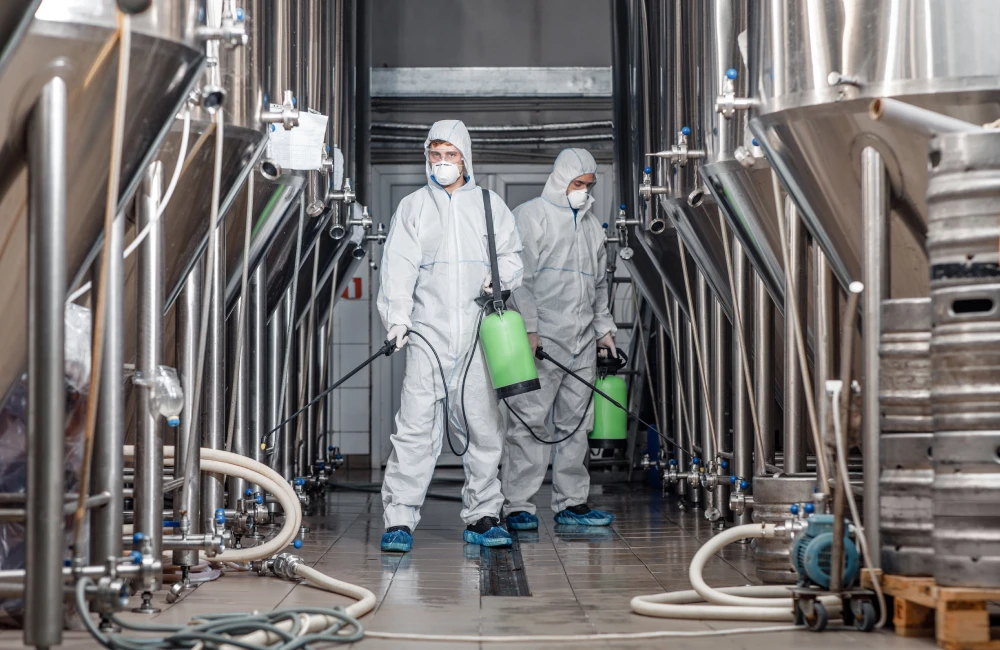
Professionals use advanced tools and targeted treatments that deliver long-lasting results.
7. Professional Pest Control Methods
Exterminators use a variety of strategies, often tailored to your pest problem:
- Chemical treatments – Safe, regulated pesticides applied strategically.
- Baiting systems – Especially effective for rodents and termites.
- Heat treatments – Used for bed bugs to kill them at all life stages.
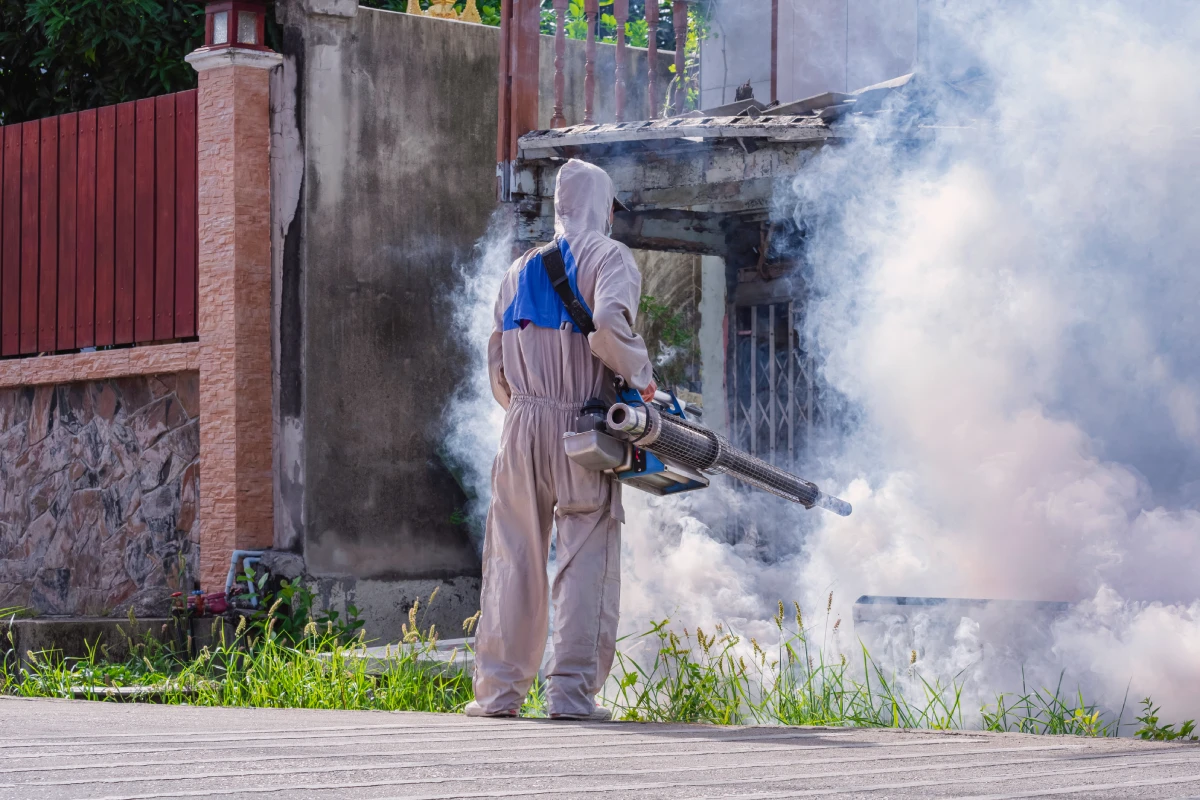
- Fumigation – For severe infestations requiring a whole-home approach.
- Integrated Pest Management (IPM) – A combination of prevention, monitoring, and targeted treatment.
8. Pest Control Safety Tips
While pest control is necessary, safety should always come first:
- Keep children and pets away from treated areas.
- Follow label instructions carefully for store-bought pesticides.
- Never mix different pest control products.
- Consider eco-friendly or organic pest control solutions.
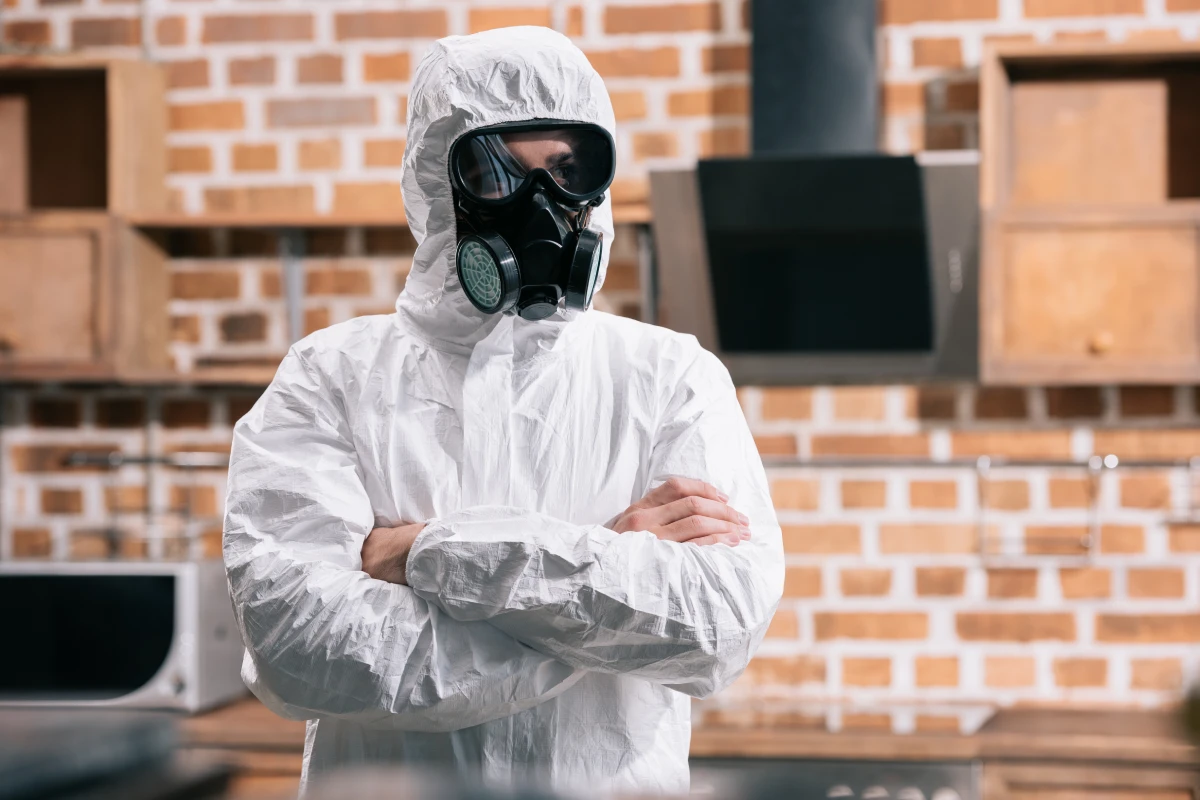
- Work with licensed professionals who use safe, approved methods.
9. Long-Term Pest Management Strategies
Pest control isn’t a one-time effort—it’s an ongoing process. To keep your home pest-free:
- Schedule regular inspections (especially for termites and rodents).
- Invest in professional pest control services once or twice a year.
- Maintain your landscaping to reduce hiding spots.
- Educate your family on preventive measures like proper food storage.
10. Final Thoughts
Pest control is about more than just killing bugs—it’s about protecting your home, health, and comfort. By combining prevention, DIY remedies, and professional help when necessary, homeowners can successfully manage pest problems and keep their spaces safe.