How Interior Design Impacts Mood and Daily Lifestyle
Interior design is more than visual appeal—it directly influences how we feel, think, and function in our daily lives. The spaces we live and work in shape our emotions, productivity, and overall well-being. From color choices to lighting and furniture layout, every design decision subtly affects our mood and lifestyle habits.
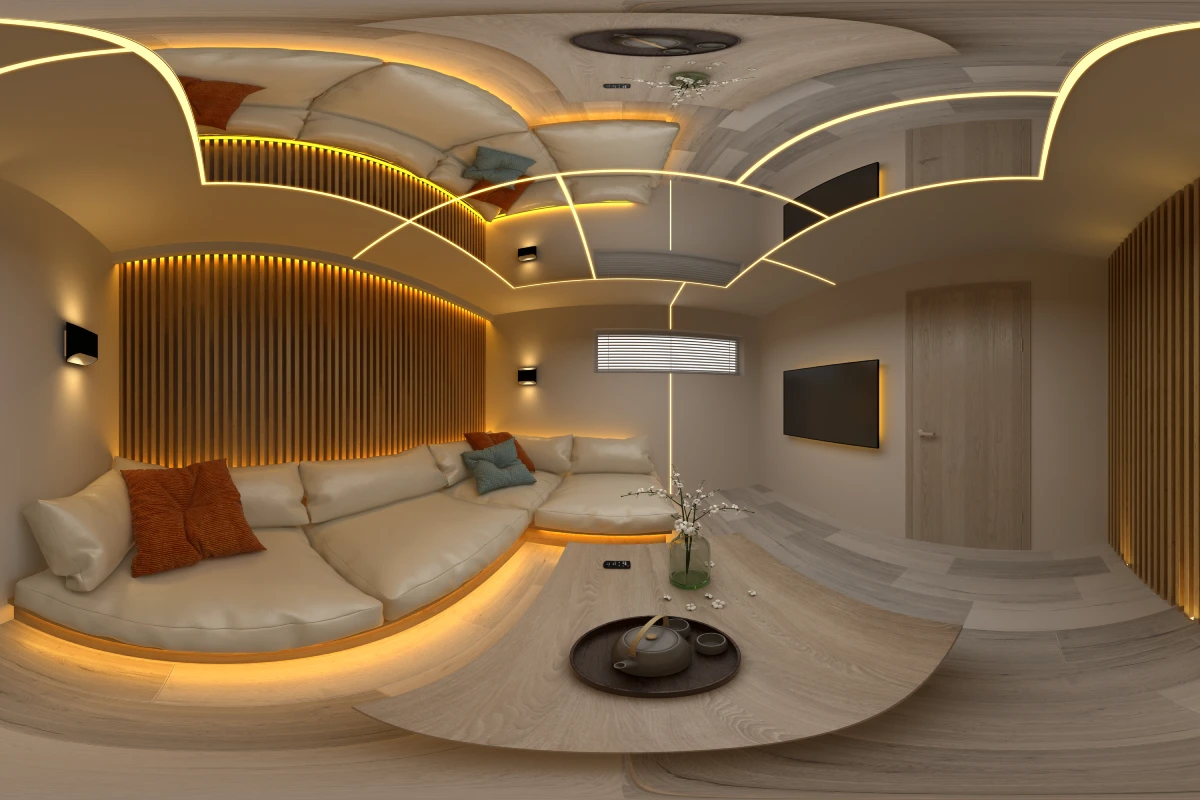
Colors play a powerful psychological role. Soft neutrals and earthy tones often promote calm and relaxation, making them ideal for bedrooms and living areas. In contrast, brighter shades like yellow or orange can boost energy and creativity when used thoughtfully in kitchens or workspaces. Natural light is equally important, as well-lit spaces tend to improve mood, reduce stress, and support healthier sleep patterns.
The Connection Between Design and Everyday Living
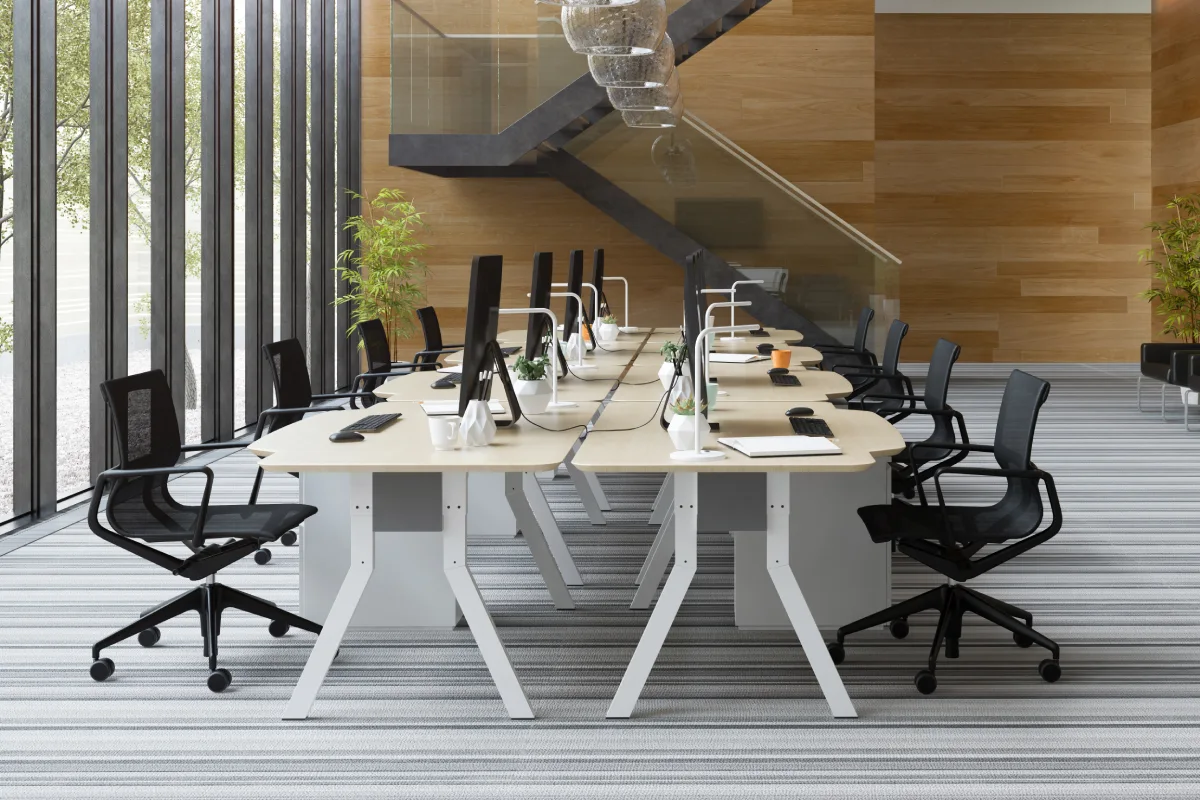
A well-designed interior supports daily routines and encourages positive behavior. Open layouts can promote social interaction, while defined spaces help maintain focus and organization. Ergonomic furniture improves comfort and reduces physical strain, which directly impacts long-term health and productivity. Decluttered environments also contribute to mental clarity, helping people feel more in control and less overwhelmed.
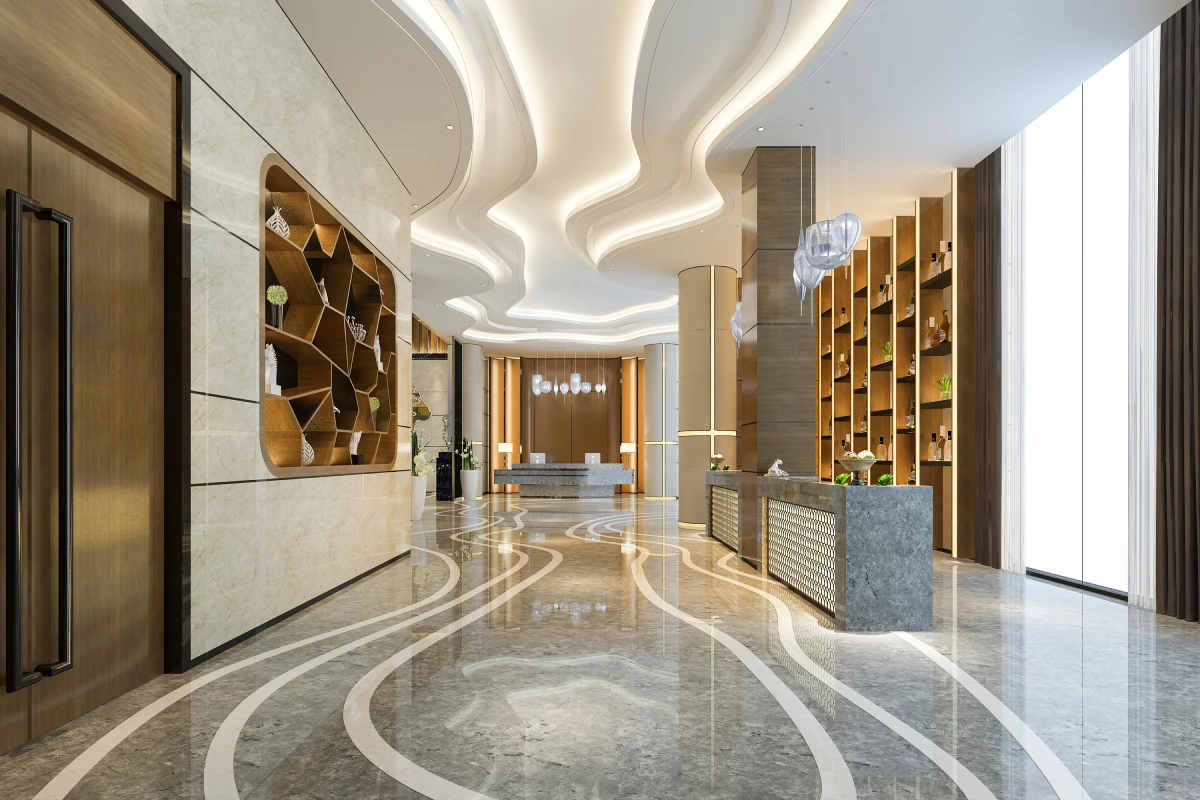
Beyond function, interior design influences lifestyle choices. A cozy reading nook may inspire regular reading, while a thoughtfully designed dining area can encourage shared meals and stronger relationships. Incorporating natural elements like plants or wood textures adds warmth and creates a connection to nature, which is known to reduce anxiety.