Complete Electrical Safety Tips Guide
Electrical safety is essential for every home and workplace. From simple daily habits to professional inspections, understanding how to handle electrical systems properly can prevent accidents, injuries, and costly damage. Whether you’re a homeowner, business owner, or facility manager, following basic electrical safety guidelines helps create a safer environment and ensures long-term reliability of your electrical setup.
Essential Electrical Safety Practices Everyone Should Follow
One of the most important electrical safety tips is to never overload outlets or extension cords. Overloading can cause overheating and increase the risk of electrical fires. Always use certified power strips with surge protection and unplug devices when they are not in use. Regularly inspecting cords, switches, and outlets for wear, burn marks, or loose connections can help identify issues early before they become dangerous. Additionally, keeping electrical equipment away from water and moisture is critical, especially in kitchens, bathrooms, and outdoor areas.
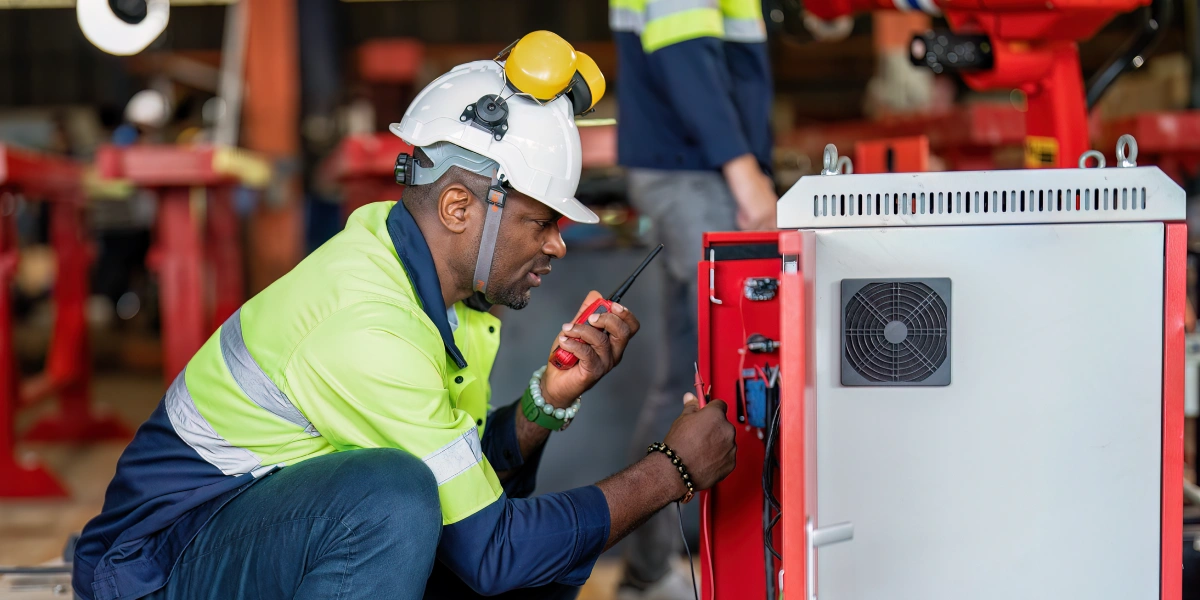
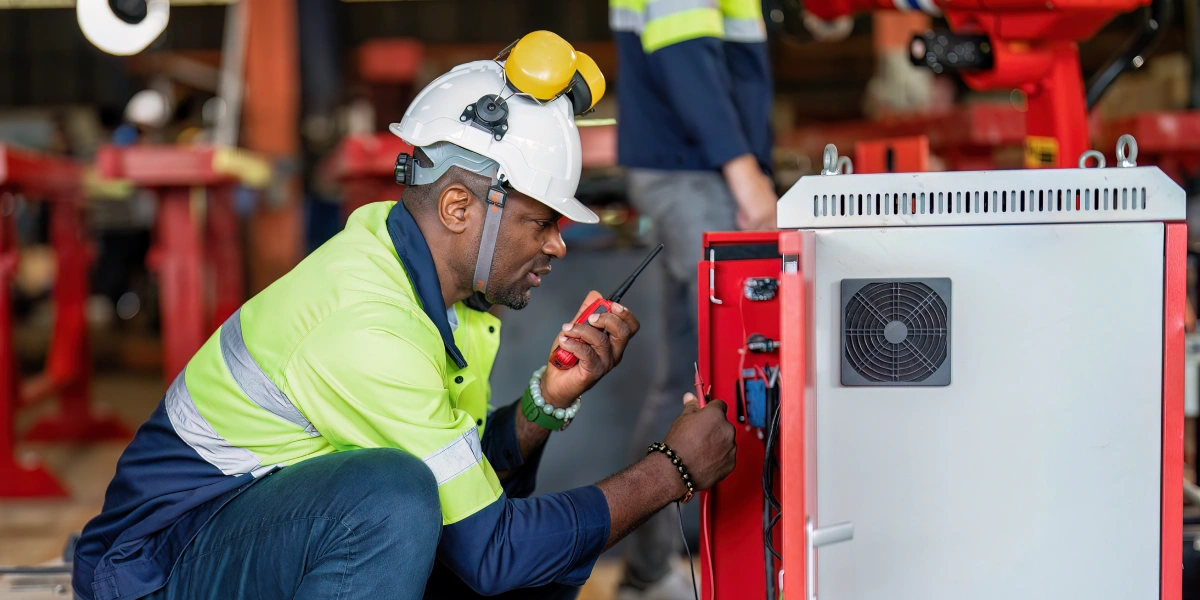
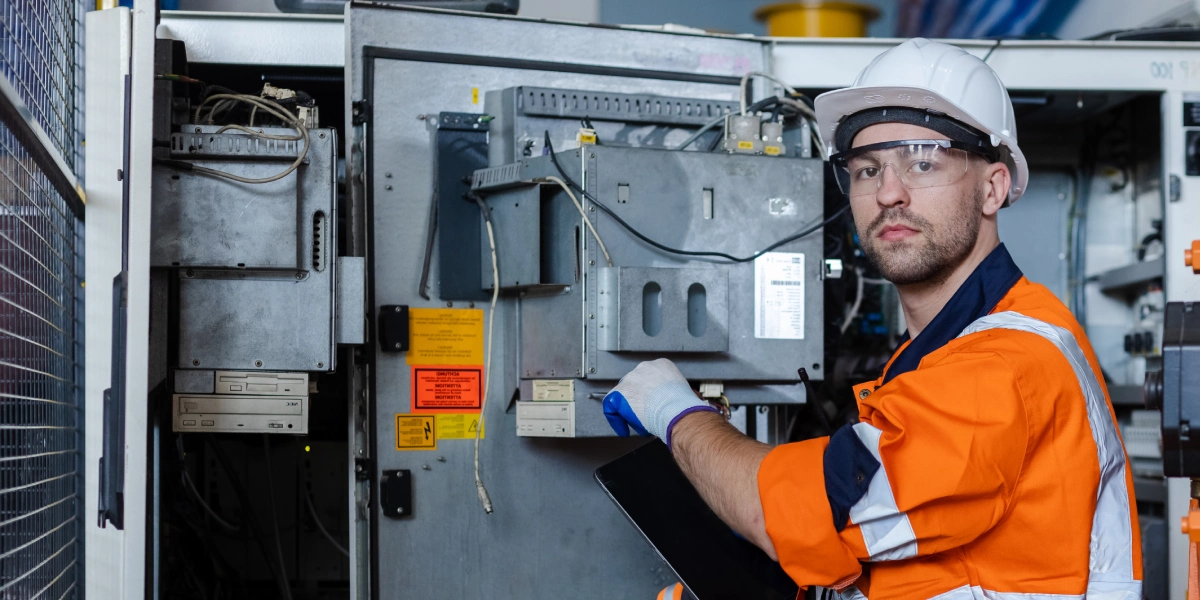
Beyond daily precautions, professional maintenance plays a vital role in electrical safety. Scheduling routine inspections by licensed electricians ensures that wiring, panels, and grounding systems meet current safety standards. Using proper circuit breakers and installing ground fault circuit interrupters (GFCIs) in high-risk areas further enhances protection. Educating family members or employees about emergency procedures, such as shutting off power during faults, adds another layer of safety.
In conclusion, electrical safety is not just about fixing problems—it’s about prevention. By combining smart habits, quality equipment, and professional support, you can reduce risks and protect both people and property. A proactive approach to electrical safety ensures peace of mind and long-term electrical performance.