The Technology Behind Fast EV Charging
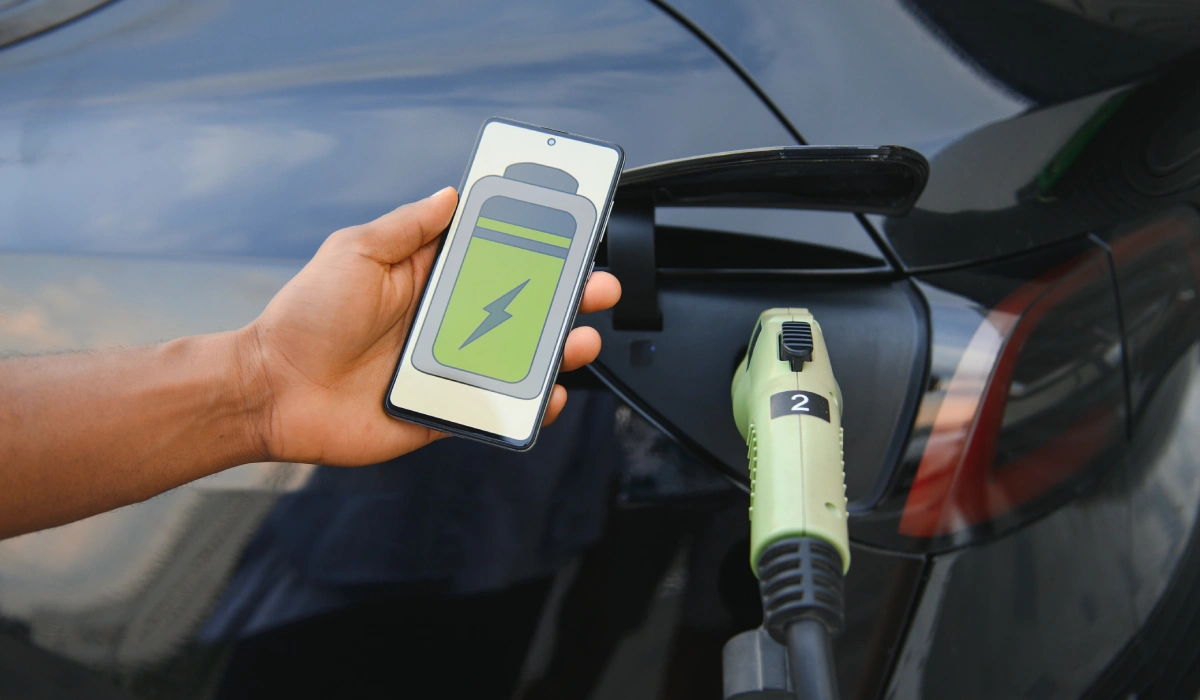
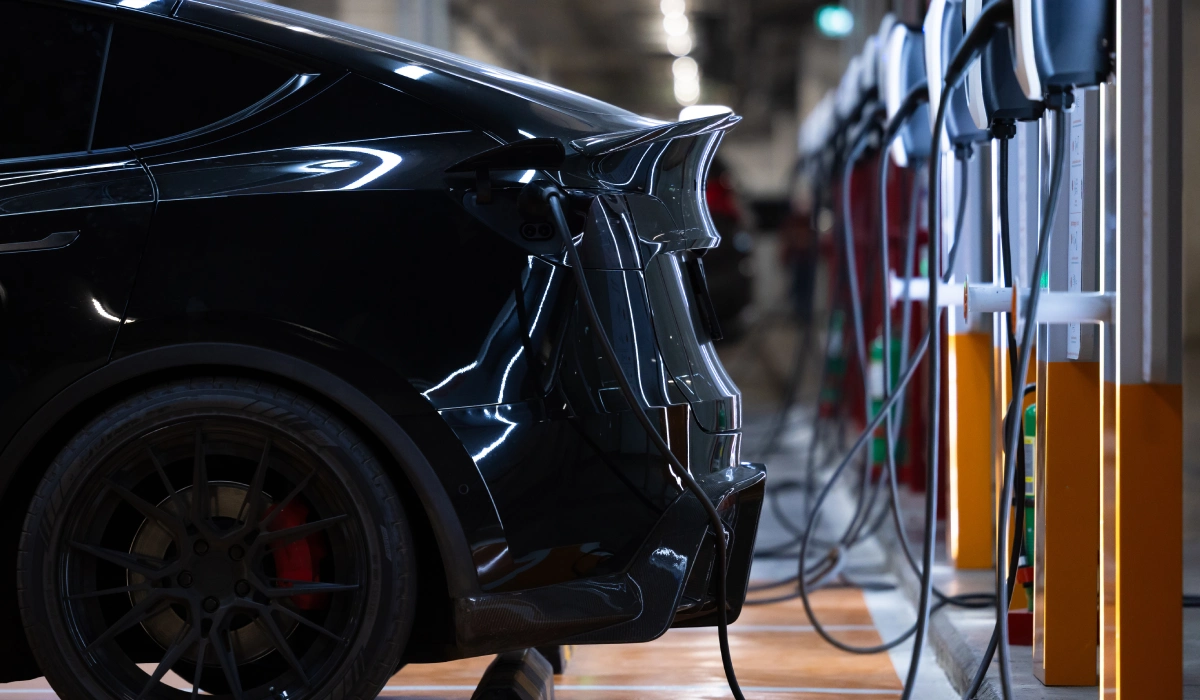
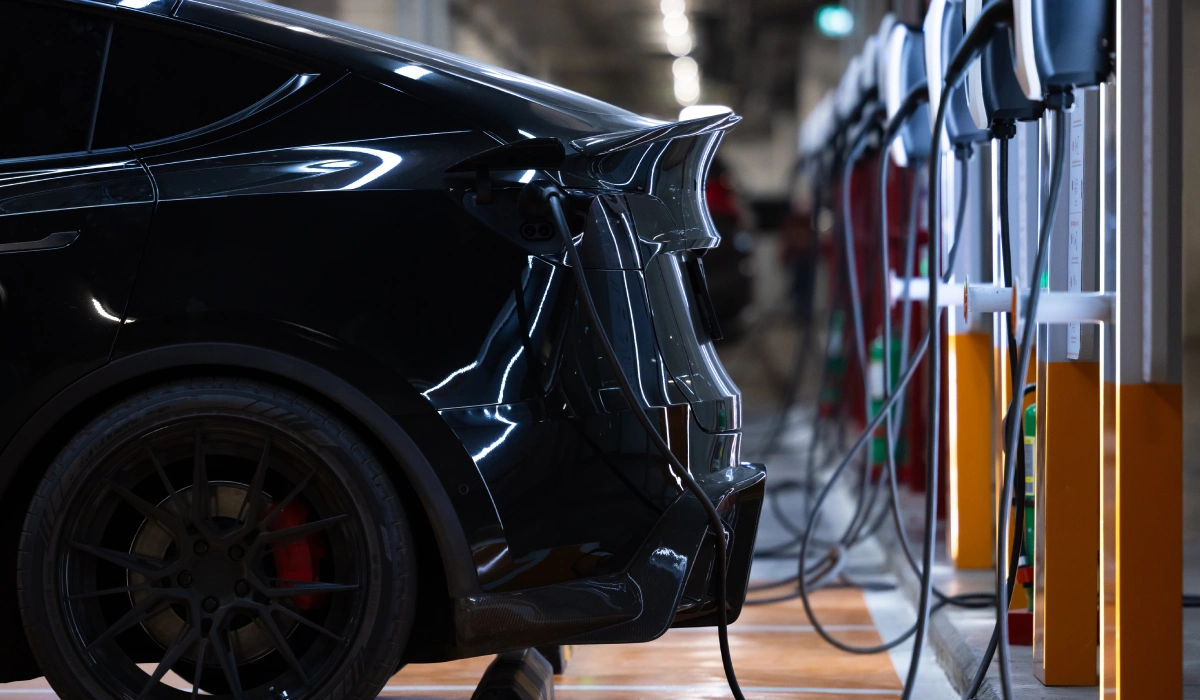
Electric vehicles are rapidly reshaping the future of transportation, and fast EV charging is one of the key technologies driving this shift. Unlike traditional charging methods that can take several hours, fast charging systems are designed to deliver high power in a short time, making EVs far more practical for everyday use and long-distance travel. This speed is achieved through advanced power electronics, smart communication systems, and improved battery technology working together seamlessly.
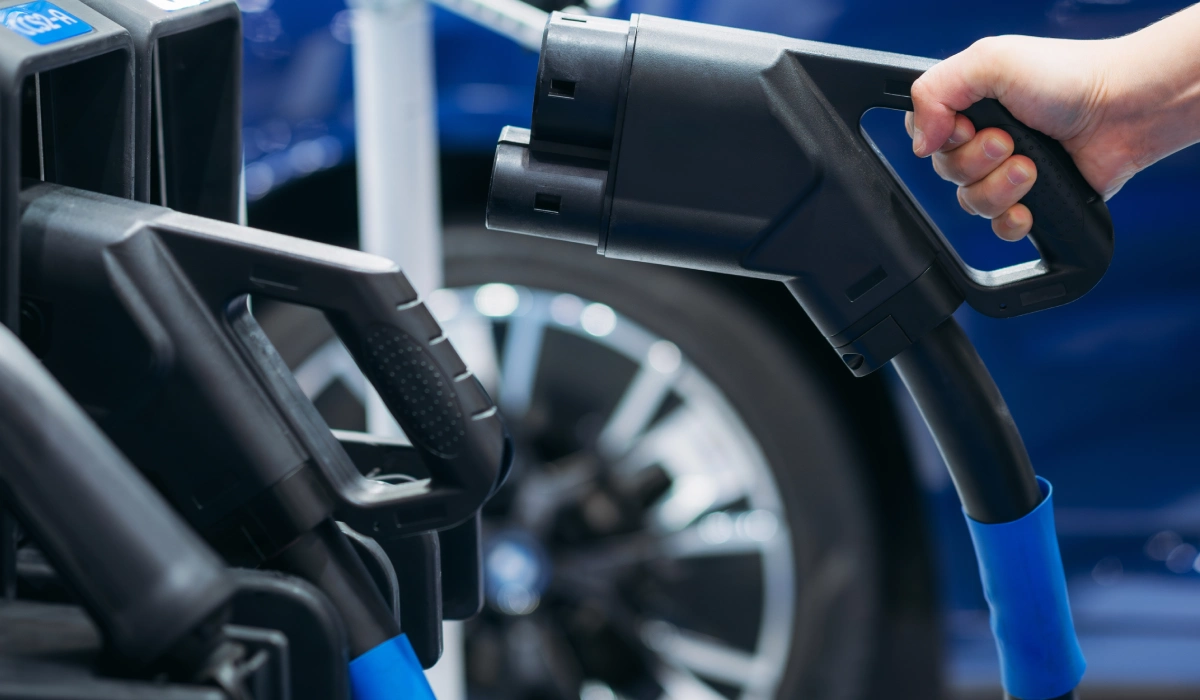
At the core of fast charging is DC (Direct Current) charging, which bypasses the vehicle’s onboard charger and delivers power directly to the battery. This allows charging stations to supply much higher voltages and currents compared to standard AC chargers. Modern fast chargers can add hundreds of kilometers of range in just 15–30 minutes, depending on the vehicle and charger capacity.
How Fast EV Charging Systems Work
Fast EV charging relies on intelligent coordination between the charger, the vehicle, and the battery management system (BMS). The BMS continuously monitors battery temperature, voltage, and state of charge to ensure safe and efficient energy transfer. Power is delivered in phases—starting fast when the battery is low, then gradually slowing as it fills up to protect battery health. Technologies like liquid-cooled charging cables, silicon carbide (SiC) semiconductors, and smart grid integration further enhance efficiency and reliability.
As battery chemistry improves and charging infrastructure expands, fast EV charging will become even quicker and more accessible. These innovations not only reduce charging time but also build confidence in electric mobility, bringing us closer to a cleaner, more sustainable transportation ecosystem.