The Future of Public EV Charging in Cities
Cities around the world are accelerating the shift toward electric vehicles, and public EV charging infrastructure is becoming a critical part of urban life. As more drivers adopt EVs, cities must rethink how charging stations are designed, placed, and powered. The future of public EV charging is not just about adding more chargers—it’s about creating smarter, faster, and more accessible systems that seamlessly fit into everyday city living.
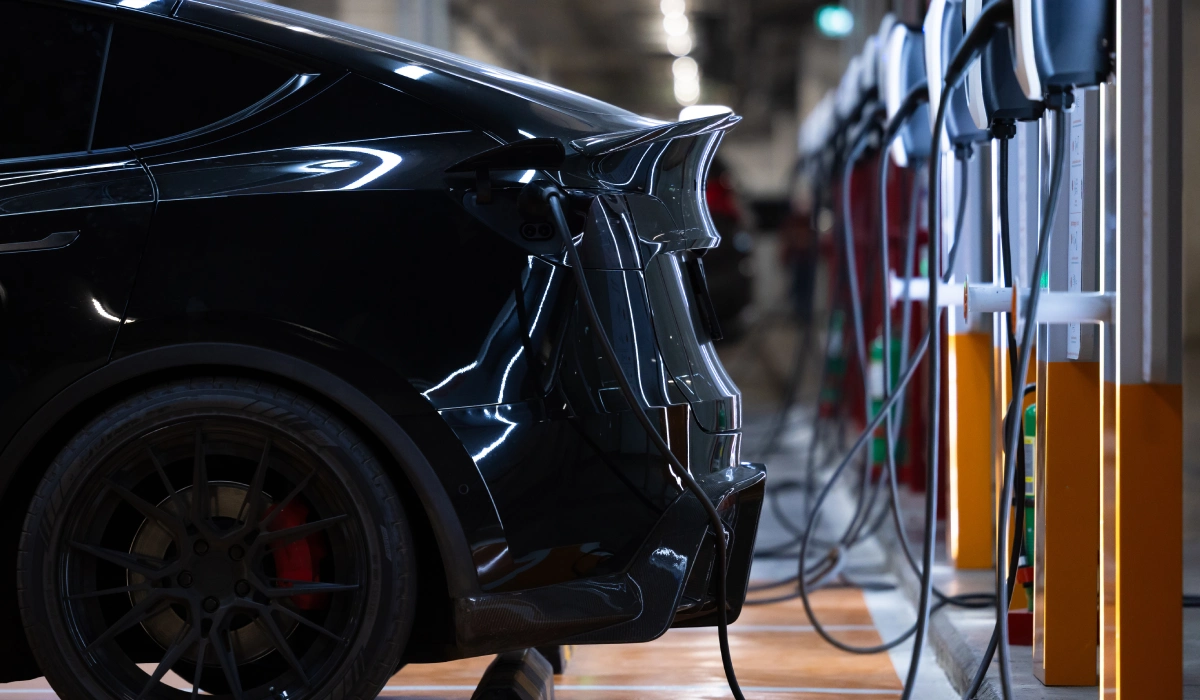
Urban planners are already integrating EV charging into parking garages, shopping centers, offices, and even streetlights. Wireless charging roads, ultra-fast DC chargers, and renewable energy integration are shaping a future where charging an EV is as convenient as parking a car.
Smart, Accessible, and Sustainable Charging Networks
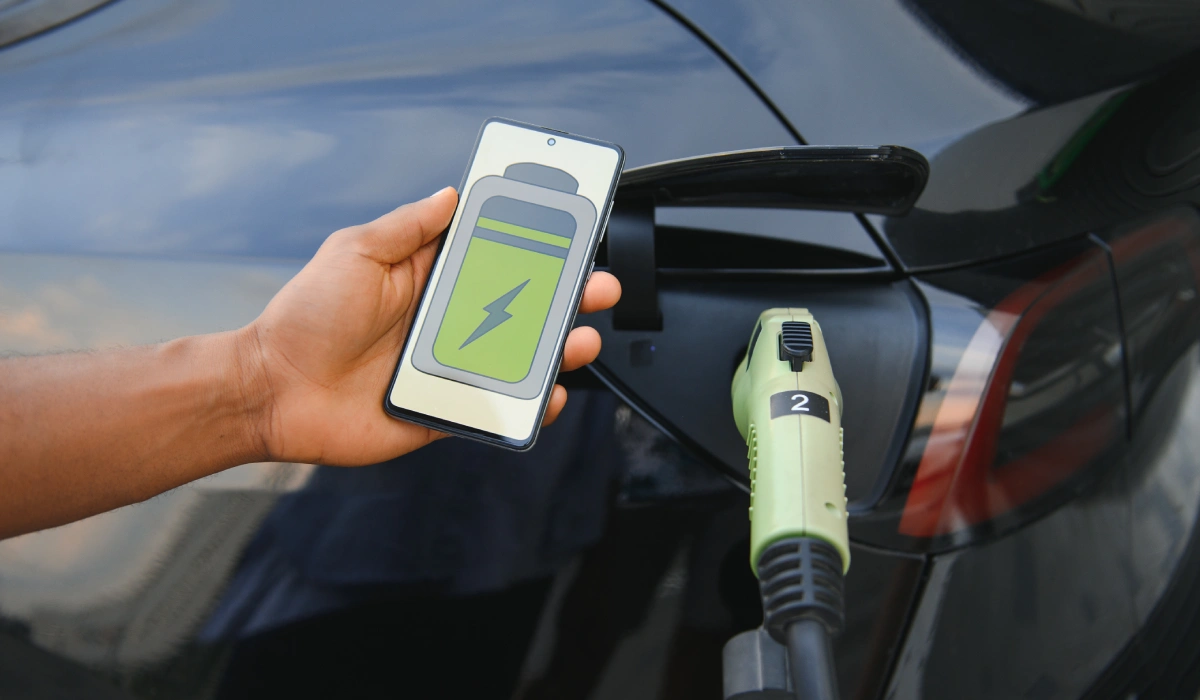
The next generation of public EV charging will focus heavily on smart technology and sustainability. AI-powered charging networks will manage energy demand, reduce grid pressure, and guide drivers to available charging points in real time. Mobile apps and connected vehicles will make locating, reserving, and paying for charging effortless.
Accessibility will also be a top priority. Cities will expand chargers into underserved neighborhoods, apartment complexes, and public transit hubs to ensure equitable access for all residents. At the same time, solar-powered stations and grid-balancing systems will reduce environmental impact and operational costs.
As cities grow denser and greener, public EV charging will become an invisible yet essential layer of urban infrastructure—supporting cleaner air, quieter streets, and a more sustainable future for city transportation.