How Drones Are Transforming Last-Mile Delivery Services
The logistics industry is experiencing a revolutionary shift with the integration of drone technology into last-mile delivery services. Drones are not only redefining speed and efficiency but also addressing challenges that traditional delivery methods struggle to overcome.
The Rise of Drone Delivery in Modern Logistics
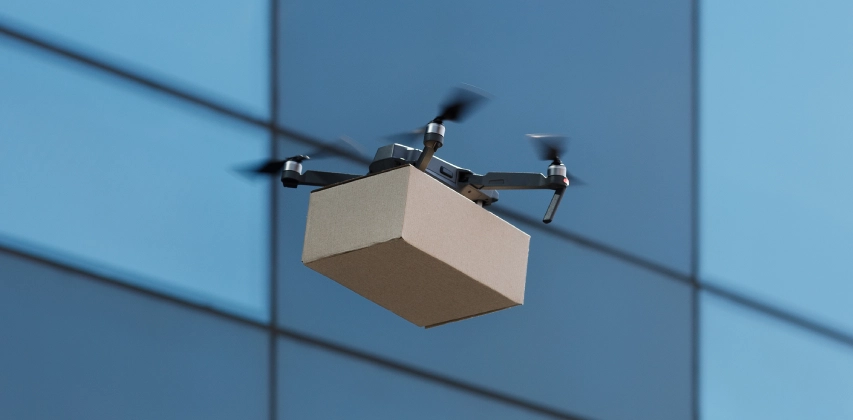
Last-mile delivery—the final step of the delivery process from a warehouse to the customer’s doorstep—has long been the most expensive and time-consuming part of logistics. Drones are stepping in as a game-changer by reducing delivery times, lowering costs, and enhancing accessibility. With the ability to bypass road traffic and reach remote or congested areas, drones are becoming vital tools for e-commerce, healthcare, and food delivery sectors.
Faster and More Efficient Deliveries
Unlike ground vehicles, drones can take direct flight paths to their destinations, minimizing delays caused by traffic or infrastructure issues. Retail giants and logistics companies are already testing drone fleets to deliver packages within minutes, making same-day delivery more realistic than ever before.
Reducing Environmental Impact
Drones are also contributing to sustainability efforts. They typically consume less energy than trucks or vans, which helps reduce carbon emissions. As companies focus on greener operations, drone technology offers an eco-friendly alternative for short-distance deliveries.
Overcoming Challenges for Wider Adoption
While the benefits are clear, there are hurdles to widespread drone delivery adoption. Issues like air traffic regulations, limited payload capacity, battery life, and safety concerns need to be addressed. However, ongoing technological advancements and supportive regulatory frameworks are paving the way for drones to become a mainstream delivery solution.
Conclusion
Drones are rapidly transforming last-mile delivery, offering faster, cheaper, and more sustainable solutions. As technology and regulations evolve, drone delivery has the potential to become an everyday reality, reshaping the way goods are transported to our doorsteps.