Ensuring Safe and Secure Drone Delivery Operations Today
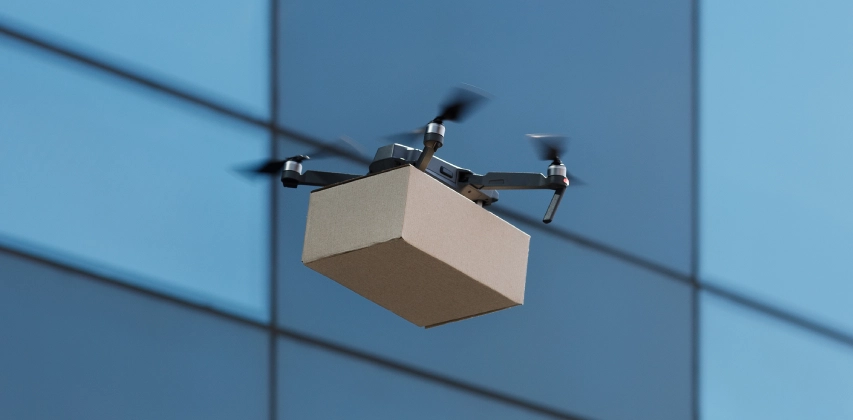
The rise of drone delivery has transformed the way businesses handle logistics, providing faster, more efficient, and contactless solutions. However, ensuring safety and security in drone operations is essential to gaining public trust and meeting regulatory standards.
The Importance of Safety in Drone Delivery
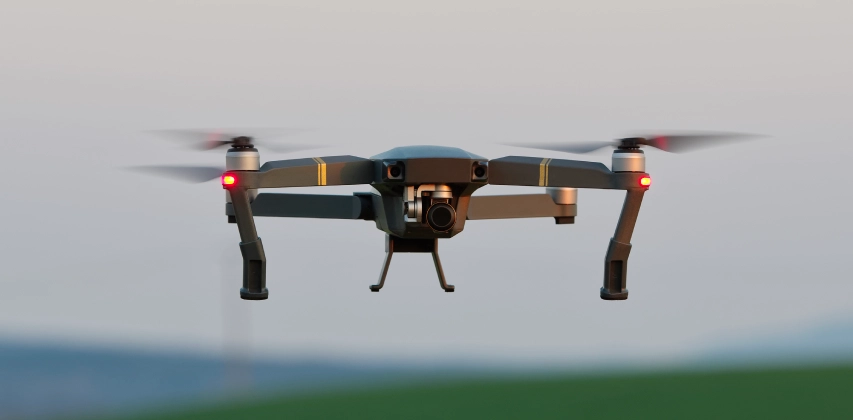
Safety is the cornerstone of drone delivery. Every flight must follow strict aviation guidelines to prevent accidents and ensure smooth operations. From takeoff to landing, drones are equipped with advanced sensors, GPS navigation, and obstacle detection systems. These features reduce risks of collisions, ensuring packages reach their destination without harm to people, property, or the environment.
Strengthening Security in Drone Operations
While safety addresses operational risks, security focuses on protecting data, packages, and systems from potential threats. Drones often carry sensitive information related to routes, customer addresses, and delivery schedules.
Cybersecurity Measures
To prevent hacking or unauthorized access, drone systems integrate encrypted communication channels and real-time monitoring. Secure software updates and authentication protocols protect against cyber threats, ensuring data remains confidential.
Package Protection
To prevent hacking or unauthorized access, drone systems integrate encrypted communication channels and real-time monitoring. Secure software updates and authentication protocols protect against cyber threats, ensuring data remains confidential.
Building Trust in the Future of Drone Delivery
By prioritizing both safety and security, drone delivery providers can create a reliable service that meets customer expectations and regulatory demands. As technology evolves, continuous innovation will ensure drone operations remain safe, secure, and efficient for modern logistics.