Medical Drones: Saving Lives with Fast Supply Delivery
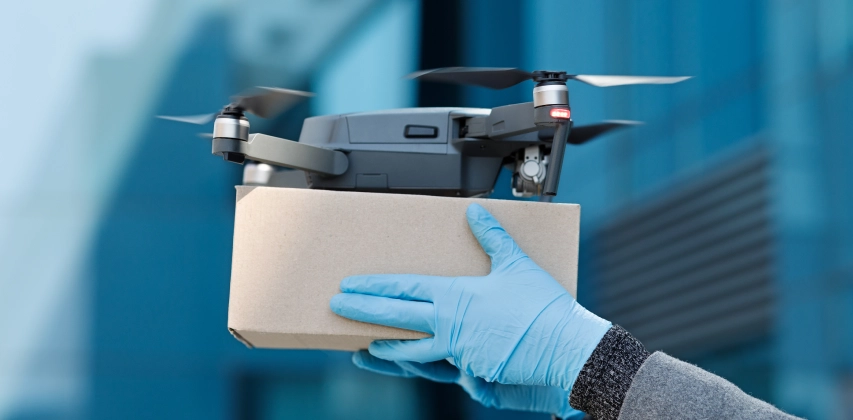
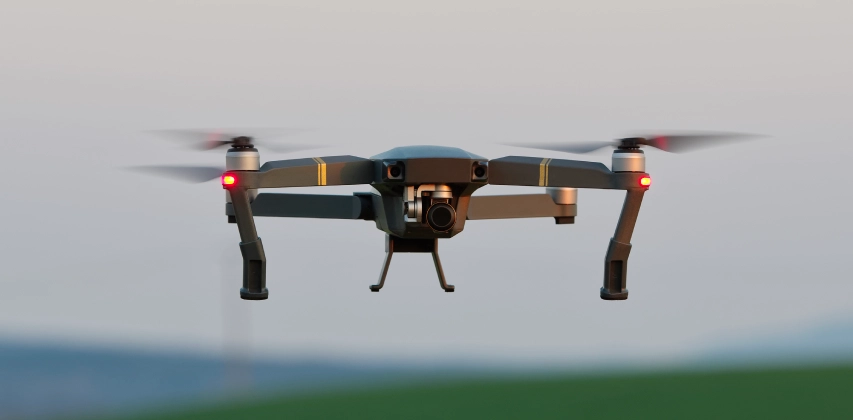
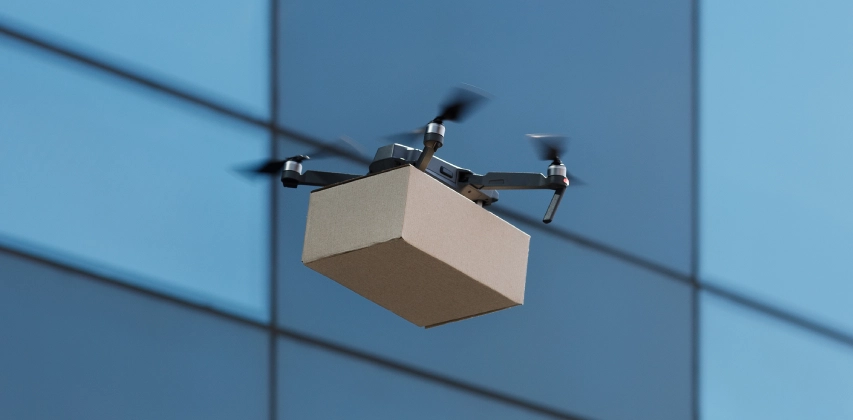
In today’s fast-paced world, drones are becoming more than just aerial gadgets. In healthcare, medical drones are transforming emergency response and supply delivery. These unmanned aerial vehicles can transport critical medical supplies—such as blood, vaccines, and medications—faster than traditional road transport. For patients in remote or disaster-hit regions, this speed can mean the difference between life and death.
Bridging the Gap in Remote Areas
One of the biggest challenges in healthcare is reaching patients in areas with poor infrastructure. Medical drones are designed to bypass traffic congestion, rough terrain, and natural obstacles. With GPS navigation and real-time tracking, they ensure timely delivery of essential supplies to clinics and hospitals in even the hardest-to-reach locations.
Speed and Efficiency in Emergencies
Time is crucial in emergencies. Traditional supply chains often face delays due to distance, weather, or logistical barriers. Medical drones, however, can swiftly deliver life-saving items like insulin, oxygen, or antivenom directly to where they are needed most. Their efficiency ensures that frontline healthcare workers can act without unnecessary delays.
Reducing Human Risk
In disaster zones or epidemic outbreaks, sending human couriers can be dangerous. Drones minimize exposure to hazards, protecting both healthcare staff and patients. This makes them not only efficient but also a safer option in high-risk scenarios.
A Future of Smarter Healthcare
The use of drones in medicine is still growing, but the potential is immense. Governments and organizations worldwide are investing in drone technology to build more resilient healthcare systems. From routine supply runs to emergency rescues, medical drones are proving to be vital partners in saving lives.